 4.8/5 on Trustpilot
Editorial note: Musiciangoods does not sell pop filters. We publish books, posters, and cheat sheets that teach the craft behind a good recording. The retailer links below point to a product page where you can check current specs and price — we earn nothing from those clicks. The only product we earn from is our own book, Mixing & Mastering Simplified. This guide focuses on the pop filters worth choosing between for a home vocal setup, and explains what actually stops a plosive so you can judge any filter, not only the ones listed here.
A pop filter is the cheapest thing you can put in front of a vocal mic that makes an audible difference. It sits between your mouth and the capsule and catches the blast of air from hard consonants, the p and b sounds that otherwise hit the diaphragm and produce a low thud that no amount of mixing fully removes.
The problem those bursts cause is called a plosive, and it is the single most common flaw in home vocal recordings. A burst of air moves the microphone diaphragm far more than the sound of your voice does, so it shows up as a dull thump or a brief overload right under the word. Fixing it after the fact means high-pass filtering or volume automation on every affected syllable, and the result is never quite as clean as stopping the air in the first place.
The good news is that a pop filter is a solved problem. Almost any of them helps, and the differences between models come down to build material, how transparent they are to high frequencies, and how easily they clamp where you need them. The picks below are chosen for durability, sound, and how well they hold position on a home setup, with a metal option and a nylon option at every price.
Quick comparison
| Pop filter | Best for | Screen type | Street price |
|---|---|---|---|
| Stedman Proscreen XL V2 | A buy-once metal filter that never dulls your sound | Patented louvered metal | around $70 |
| Avantone Pro PS-1 | Singers who work the mic close for an intimate tone | Curved nylon mesh | around $30 |
| sE Electronics Studio Mic Pop Screen | Metal transparency at a lower price | Perforated louvered metal | around $40 |
| Shure PS-6 Popper Stopper | A trusted brand with a heavy-duty clamp | Nylon mesh | around $40 |
| Aston Microphones Shield GN | A rugged stainless-steel filter with a distinctive shape | Stainless-steel mesh | around $49 |
| On-Stage ASFSS6-GB | The tightest budget and a first home setup | Dual nylon screen | around $18 |
What actually stops a plosive
Before the list, it helps to know what you are buying. A pop filter works by breaking up and slowing the column of air from your mouth before it reaches the mic, so the capsule hears the sound but not the wind. There are two ways to do that, and each has a trade-off worth understanding.
Nylon mesh, the traditional round hoop with a fine fabric screen, is cheap, light, and very effective at catching air. Its one drawback is that a fine fabric can take a small amount of high-frequency air off the top of your sound, which on a bright vocal is usually inaudible but is real. Many nylon filters use two layers with a gap between them, which stops plosives better than a single screen.
Metal filters use a perforated or louvered screen that deflects the air downward while letting sound pass straight through. Because the openings are hard-edged rather than woven fabric, a good metal filter is effectively transparent to high frequencies, and it wipes clean and lasts for years. The trade-offs are a slightly higher price and, on cheaper metal designs, a faint metallic resonance that the better ones are engineered to avoid.
The last thing that matters is the clamp and gooseneck. A filter that will not stay where you put it, or that drags your mic stand out of position, is a daily annoyance no matter how well it stops pops. A firm clamp and a gooseneck stiff enough to hold its shape are worth as much as the screen itself.
1. Stedman Proscreen XL V2 — a buy-once metal filter that never dulls your sound

If you want to buy one pop filter and never think about it again, this is the one. The Proscreen XL uses a patented metal screen with angled openings that force the burst of air downward, away from the microphone, while letting your voice pass through untouched. In practice that means it stops plosives as well as anything on this list without taking any brightness off your vocal.
The V2 update adds a longer sixteen-and-a-half-inch gooseneck and a wider padded clamp that grips any stand up to an inch and a half without scratching it. Because the screen is metal, you clean it with mild soap and water rather than replacing a fabric that yellows over time, and it carries a lifetime warranty. It costs more than a basic nylon filter, but spread over the years it lasts, it is the cheapest filter here.
Best for: anyone who records vocals regularly and wants a transparent metal filter they will not need to replace.
Check current price on Sweetwater →
2. Avantone Pro PS-1 — for singers who work the mic close

Most pop filters are flat, which forces you to sing through a screen held some distance from the mic. The PS-1 is curved to follow the grille shape of a typical studio condenser, so it sits closer to the capsule and lets you move in near the mic without your lips hitting fabric.
That close positioning is the point. Working the mic closely gives a fuller, more intimate vocal through the proximity effect, and a curved filter lets you do that while still catching plosives. The nylon screen is fine and effective, and the shape suits large-diaphragm condensers in particular. For a spoken-word or singer-songwriter voice recorded up close, it is a smarter shape than a flat hoop.
Best for: singers and voice artists who record close to a large-diaphragm condenser and want a warmer, more present tone.
Check current price on Sweetwater →
3. sE Electronics Studio Mic Pop Screen — metal transparency for less

If the Stedman appeals but the price does not, this is the metal filter to consider. It uses a finely perforated metal screen with louvered grooves that redirect low-frequency breath downward, the same principle that makes a metal filter transparent to the highs of your voice.
Because it does not use fabric, it never dulls your sound the way a fine nylon mesh can, and it wipes clean instead of wearing out. The build is simple and the gooseneck holds position well. It sits between the budget nylon options and the premium metal ones, and for many home studios it is the sweet spot: metal performance without the flagship price.
Best for: home recordists who want the transparency and longevity of metal at a mid-range price.
Check current price on Sweetwater →
4. Shure PS-6 Popper Stopper — a trusted brand with a heavy-duty clamp

Shure has made microphones for broadcast and stage for decades, and the PS-6 brings that reliability to a pop filter. It pairs a nylon-mesh screen with a metal gooseneck and a heavy-duty clamp built to hold a real broadcast arm or studio stand without drooping under the weight of the filter.
The clamp is the reason to choose it. On a spring-loaded broadcast arm, lighter filters sag over a session and end up pointing at the floor; the PS-6 is engineered to stay put. The nylon screen does its job well, and the whole thing has the solid feel you expect from the brand. For a podcast or voiceover setup on a boom arm, it is a dependable choice.
Best for: podcasters and voice recordists on a boom arm who want a rugged clamp and a name they already trust.
Check current price on Sweetwater →
5. Aston Microphones Shield GN — a rugged stainless-steel filter with a distinctive shape

Aston built the Shield GN out of stainless steel rather than the usual thin plated metal, and it shows in the feel. The shield-shaped screen is more rigid than a round hoop, the gooseneck holds its position firmly, and a crocodile-style clip grips a stand or arm securely. It is the filter that feels most like a piece of studio hardware rather than an accessory.
The steel mesh keeps the transparency you want from a metal filter, and the distinctive shape gives a slightly larger protected area than a small round screen. It sits at a similar price to the Shure and the sE, so the choice between them comes down to whether you want the broadcast-clamp practicality of the PS-6, the classic round metal of the sE, or the rugged, larger shield of the Aston.
Best for: recordists who want a heavy-built metal filter with a larger screen and are happy to pay a little more for the feel.
Check current price on Sweetwater →
6. On-Stage ASFSS6-GB — the tightest budget and a first home setup

When the budget is as small as it gets, this is the honest recommendation. It is a six-inch dual-screen nylon filter, meaning two layers of mesh with a gap between them, which stops plosives better than a single-screen filter at the same price. An eleven-and-a-half-inch gooseneck and an easy-grip clamp cover a normal home stand.
It will not have the transparency of the metal options or the long life of a steel screen, and the clamp is lighter-duty than the Shure. But it does the core job well, and for a first vocal setup where every dollar counts, a cheap dual-screen filter that catches pops is far better than no filter at all. Many people start here and upgrade to metal once recording becomes a habit.
Best for: first-time home recordists and anyone who needs a working filter for the lowest possible outlay.
Check current price on Sweetwater →
How to choose your pop filter
Start with material. If you record often and want to buy once, a metal filter like the Stedman, the sE, or the Aston is transparent to your sound and lasts for years, and the extra cost disappears over time. If you are on a tight budget or recording occasionally, a nylon filter does the job for a fraction of the price.
Then match the filter to how you record. If you sing close to a large condenser, the curved Avantone shape lets you get near the mic without hitting the screen. If your mic hangs from a broadcast arm, the heavy-duty clamp on the Shure is what keeps the filter from sagging over a session. If you want the most rigid, hardware-grade build, the steel Aston is the one.
Finally, do not overthink it. Every filter here stops plosives, and the difference between a good one and a great one is smaller than the difference between using one and not. Position matters as much as the model: aim for a few centimetres between the filter and the mic, and roughly a fist between your mouth and the filter, and even a budget screen will clean up your vocals dramatically.
Where the craft fits in
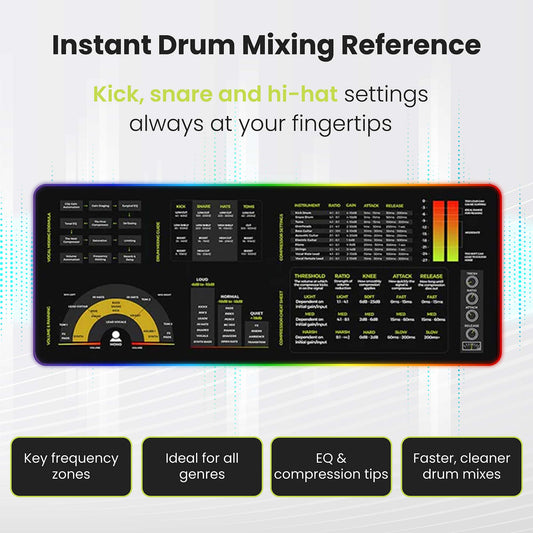
A pop filter fixes one narrow problem at the source. Turning a clean recording into a finished, competitive-sounding track is a separate skill, and it is the one most self-taught producers find hardest to learn from scattered tutorials. Knowing how to set levels, carve space with EQ, control dynamics, and glue a mix together is what makes the difference between a recording that sounds like a demo and one that sounds like a release.
That is the gap our book is built to close. Mixing & Mastering Simplified walks a home producer through the whole chain in plain language, from gain staging to a finished master, without assuming a studio full of gear.

View Mixing & Mastering Simplified →
Frequently asked
Do I really need a pop filter? For vocals, yes. Plosives from p and b sounds are the most common flaw in home recordings, and they are far easier to stop with a filter than to repair in the mix. A filter is the cheapest upgrade that makes an audible difference to a vocal track.
Is a metal or a nylon pop filter better? Both stop plosives well. Metal filters are transparent to high frequencies, wipe clean, and last for years, but cost more. Nylon filters are cheaper and lighter but can take a small amount of brightness off a vocal and wear out over time. For frequent recording, metal is the better long-term buy; for occasional use, nylon is fine.
How far should the pop filter be from the microphone? A few centimetres between the filter and the mic is a good starting point, with your mouth roughly a fist's distance from the filter. That spacing lets the filter break up the air before it reaches the capsule while keeping you close enough for a full, present tone.
Can I use a foam windscreen instead? A foam windscreen helps outdoors and with handheld mics, but it is less effective against studio plosives and can dull your sound more than a good pop filter. For recording vocals at a desk, a dedicated pop filter is the better tool.
Will a pop filter remove sibilance too? No. A pop filter stops the low-frequency air bursts from plosives, not the high-frequency hiss of s and sh sounds. Sibilance is controlled at the mixing stage with de-essing, which is a separate technique.
Does a pop filter change my tone? A transparent metal filter has almost no effect on your sound. A fine nylon screen can remove a small amount of high-frequency air, usually inaudible on a normal vocal. Positioning the filter and mic correctly matters more to your tone than the model you choose.
About the author
Melvin Tellier is the founder of Musiciangoods and the author of Mixing & Mastering Simplified. He writes practical, jargon-free guides that help self-taught musicians and home recordists get professional results from modest setups, from capturing a clean vocal to finishing a polished master.







 Guitar Chords Chart Mousepad
 Guitar Theory Simplified (Paperback/PDF)
 Bass Guitar Theory Cheat Sheet Mousepad
 Bass Theory Simplified (Paperback/PDF)
 Music Theory Simplified - (Paperback/PDF)
 Music Theory Cheat Sheet Mousepad
 Ukulele Theory Simplified (Paperback/PDF)
 Ukulele Theory Cheat Sheet Mousepad
 Guitar Theory Cheat Sheet Mousepad
 Mixing Mastering Cheat Sheet Mousepad


