 4.8/5 on Trustpilot

Piano or keyboard is the first question almost every new player faces, and the words get used loosely enough to cause real confusion. They are related instruments, but they are not the same thing.
This is a straight comparison built around one question: which one will let you learn, practise, and keep going, given your space, budget, and goals? An acoustic piano and a digital keyboard both teach the same notes, but they feel and fit into a life very differently.
The short version: an acoustic piano gives you the best touch and tone but demands space, money, and tuning, while a keyboard gives you portability, headphones, and a low entry price at the cost of some feel. The rest of this article is about which of those trade-offs fits you.
First, the terms
An acoustic piano makes sound mechanically: pressing a key throws a felt hammer at a string. It has 88 weighted keys and needs regular tuning. A digital piano is an electronic instrument that copies that experience closely, usually with 88 weighted keys and sampled piano sound. A keyboard in the everyday sense is the lighter, often smaller electronic instrument with unweighted or semi-weighted keys and many built-in sounds.
People say keyboard to mean any of these, which is where the confusion starts. This comparison treats it as the practical split most beginners face: a real acoustic piano on one side, a portable electronic keyboard on the other.
Quick comparison
| Factor | Acoustic piano | Keyboard |
|---|---|---|
| Key feel | Fully weighted, responsive action | Light or semi-weighted, less resistance |
| Number of keys | 88, full range | Often 61 or 76, sometimes 88 |
| Tone | Rich, resonant, acoustic | Sampled, plus many other sounds |
| Volume control | Always audible, no headphones | Volume knob and headphone jack |
| Portability | Heavy, fixed in place | Light, easy to move and store |
| Maintenance | Needs tuning once or twice a year | None |
| Entry price | High, plus tuning costs | Low, from around €100 |
What an acoustic piano is genuinely better at

The touch is the real advantage. Every key is fully weighted because it is connected to a hammer and string, so it pushes back the way the instrument is meant to. That resistance teaches your fingers control, dynamics, and strength in a way that light keys never quite do.
The tone is the other half. A real piano resonates through its soundboard, and notes bloom and decay with a richness that sampled sound only approximates. Playing one is more rewarding, and that reward is part of what keeps practice going.
An acoustic also makes the full range available. With all 88 keys and a sustain pedal that responds to half-pedalling, you can play the entire classical and jazz repertoire without running out of notes or expression. Nothing about the instrument limits where you can go.
The costs are real and worth naming. An acoustic is expensive, heavy, and fixed in place, it needs tuning once or twice a year, and you cannot turn it down or plug in headphones. In an apartment or a shared house, that last point alone can rule it out.
What a keyboard is genuinely better at

The price gets you playing. A capable beginner keyboard costs a fraction of any acoustic piano, which removes the biggest barrier to starting. For testing whether you will stick with it, that low entry cost is the honest, sensible choice.
Headphones change everything in a small home. You can practise at midnight in a flat without disturbing anyone, and you can set the volume to suit the room. For most beginners living with others, silent practice is the difference between practising daily and barely at all.
Portability and zero maintenance follow from the same design. A keyboard is light enough to move, store under a bed, or carry to a friend's place, and it never needs tuning. It also offers many built-in sounds and often connects to a computer over USB, which opens the door to recording and music production.
The trade-off is feel and, often, range. Cheaper keyboards have light, springy keys that do not build the same finger strength, and many have only 61 or 76 keys, so you can run out of room in fuller pieces. A digital piano with 88 weighted keys closes most of that gap, at a higher price.
Best for which reader
Choose an acoustic piano if: you have the space and budget, you are committed to classical or serious study, and you want the best possible touch and tone. The weighted action and real resonance are worth it when you know you are staying with the instrument and the room can hold it.
Choose a keyboard if: you are starting out and testing your commitment, you live somewhere that needs quiet practice, your budget is limited, or you want to move and store the instrument easily. For most beginners, a keyboard, ideally a digital piano with 88 weighted keys, is the practical place to start.
The answer most teachers give but rarely write down: weighted keys matter more than the label on the instrument. A digital piano with a good weighted action teaches your hands almost everything an acoustic does, and it does so quietly and affordably. If you can only afford light keys for now, start anyway, the music you learn transfers completely.
Can you learn piano on a keyboard?
Yes, and most adult beginners do. The notes, the scales, the chords, and the reading are identical, so everything you learn on a keyboard transfers directly to a piano. Teachers routinely start students on digital instruments without any disadvantage to their progress.
The one thing to protect is the feel of weighted keys. If you practise only on light, springy keys for years and then sit at an acoustic, the heavier action will feel foreign at first. A digital piano with weighted keys avoids that entirely, which is why it is the recommended starting point when the budget allows.
What does not change is the theory. Intervals, scales, and chord construction work the same on any keyboard instrument, and understanding them is what separates a player who can read and improvise from one who only memorises pieces. The instrument decides how it feels under your hands, but the theory decides how far you go.
The recommendation
If you have the space, the budget, and a clear commitment to serious study, buy an acoustic piano and enjoy the touch and tone that nothing else quite matches. Budget for tuning, and make sure the room can hold an instrument you cannot turn down.
For most beginners, and for anyone who needs quiet practice or a lower entry cost, buy a digital piano with 88 weighted keys, or a good 61-key keyboard if budget is tight. You will get most of the feel, all of the notes you need at first, headphones for late practice, and a real path forward without the cost of an acoustic.
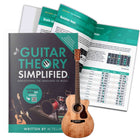
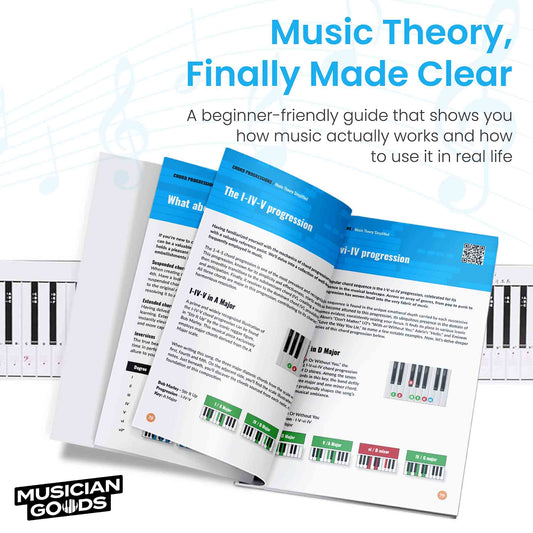
Whichever you choose, the keys are only the surface. What decides whether your second year feels like progress is whether you understand the notes you are playing, the intervals, the scales, and the chords underneath the pieces. We wrote Music Theory Simplified because most new players spend their first year memorising pieces without understanding what makes them work.

View Music Theory Simplified →
Frequently asked questions
Is a piano or a keyboard better for a beginner?
For most beginners a keyboard is the practical start, because it is cheaper, portable, and can be played quietly through headphones. An acoustic piano gives better touch and tone but needs space, money, and tuning. A digital piano with 88 weighted keys is the strong middle choice that suits most new players.
Can you learn piano on a keyboard?
Yes. The notes, scales, chords, and reading are identical, so everything transfers directly to a piano. The only caveat is key feel: practise on weighted keys where possible, because light, springy keys do not build the same finger strength you will want at an acoustic later.
How many keys do I need to start?
61 keys are enough for early learning, and 76 covers most beginner pieces. For the full classical and jazz repertoire you eventually want all 88. If you can choose, an 88-key instrument with weighted action gives you the most room to grow without needing to upgrade.
What is the difference between a digital piano and a keyboard?
A digital piano aims to copy an acoustic, with 88 weighted keys and a focus on realistic piano sound. A keyboard in the everyday sense is lighter, often has fewer and unweighted keys, and offers many built-in sounds. A digital piano feels closest to the real thing; a keyboard is more portable and versatile.
Do keyboards need tuning like pianos?
No. Digital keyboards and pianos never need tuning, because the sound is electronic. Acoustic pianos need tuning once or twice a year to stay in pitch, which is an ongoing cost worth factoring in before you buy one.
About the author. Melvin Tellier is the founder of Musiciangoods and the author of Music Theory Simplified. He started the company to make music theory clear and usable for self-taught players, and he writes these comparisons to help beginners choose the right instrument and spend their first year well.






 Folha de Cola para Mistura e Masterização Mousepad


